
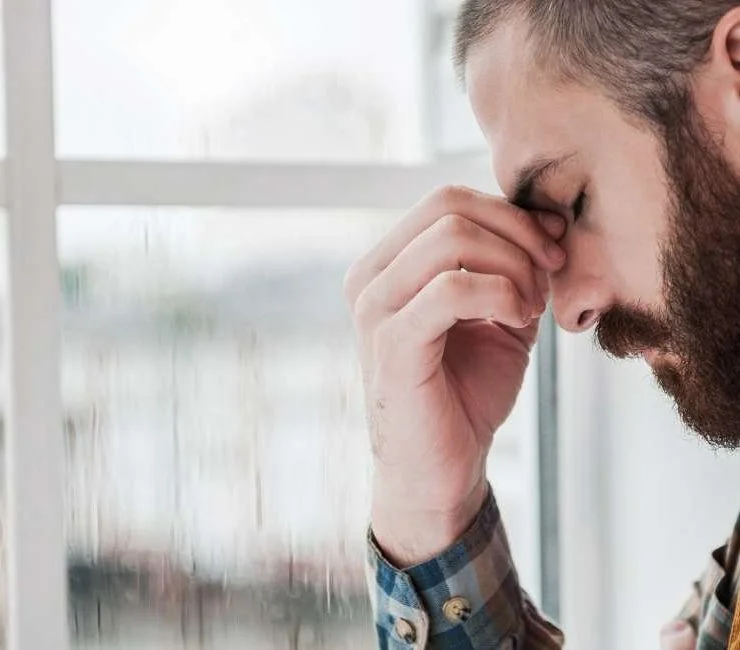
A man came to me recently after enduring months of physical abuse from his wife. She had slapped him across the face during arguments, broke a wooden hanger over his arm, and even hurled an empty wine bottle at him.
On the night she threw the wine bottle, fearing it would escalate further, he reluctantly phoned the police. “I didn’t want to call,” he admitted, “but I needed someone to intervene and calm things down in the home.” He was embarrassed, ashamed, and convinced no one would believe him. “Who’s going to take me seriously? I’m a man — people will laugh.”
But his pain was real. And his story is not as rare as you might think.
Emotional Abuse: The Wounds No One Sees
Abuse isn’t always about bruises. For many men, it comes in quieter, more cutting ways:
– Constant criticism or belittling “jokes” that chip away at confidence.
– Being shut out emotionally — affection withheld as punishment.
– Manipulation or threats, especially around children, money, or reputation.
Over time, this kind of treatment leaves deep scars. Men describe feeling like they’re walking on eggshells, never sure what will set her off.
Physical Abuse: Yes, It Happens to Men
It may feel uncomfortable to even imagine, but men can also be on the receiving end of physical aggression:
– Being shoved, slapped, or scratched.
– Having objects thrown at them.
– Facing intimidation through damaged property or threats of false accusations.
Because of cultural expectations, men often feel they can’t report it — they’re afraid of not being believed, or worse, being blamed.
Why Men Stay Silent
Society tells men they should be strong. Many of my clients wrestle with thoughts like:
– “If I admit this, I’ll look weak.”
– “No one will believe me — I’m a man.”
– “If I speak up, I’ll lose my kids.”
This silence doesn’t mean the abuse isn’t real — it means the fear and shame are overwhelming.
The Toll Abuse Takes on Men
Even when the bruises fade, the impact lingers: –
- Anxiety, depression, and self-doubt.
- Physical symptoms of chronic stress.
- Difficulty trusting in future relationships.
Signs You May Be in an Abusive Relationship
- You feel anxious before seeing your wife, unsure what mood she’ll be in.
- You hide aspects of your life from friends or family to avoid embarrassment.
- You find yourself apologizing constantly, even when you’ve done nothing wrong.
- You feel more like a child being controlled than an equal partner. If these resonate, it’s a red flag. 🚩
What Life After Abuse Can Look Like
Healing is possible. I’ve seen men step out of abusive dynamics and rediscover:
– Peace — no more walking on eggshells.
– Confidence — rebuilding self-worth after years of being torn down.
– Healthy love — relationships built on respect, trust, and equality.
What to Do If This Sounds Familiar
If you recognize yourself here, know this: you are not alone, and you are not weak. Naming the truth is a powerful first step toward reclaiming your life.
Here are some next steps:
– Confide in someone safe — a trusted friend, coach, or therapist.
– Document incidents to protect yourself.
– Prioritize your well-being. Abuse thrives in silence; breaking it begins your healing.
A Final Word
Being in an abusive relationship doesn’t define your worth as a man. If anything, surviving it speaks to your strength. Remember — being a victim doesn’t make you weak. Speaking up makes you powerful!
If you’re ready to take the next step, I’m here. I work exclusively with men navigating difficult relationships and divorces. This is a safe space where your story is heard without judgment.
Hayley Lisa
The Divorce Coach for Men